What you get
with the job.
No hidden line items, no return-trip surprises — what we put in writing is what you pay.
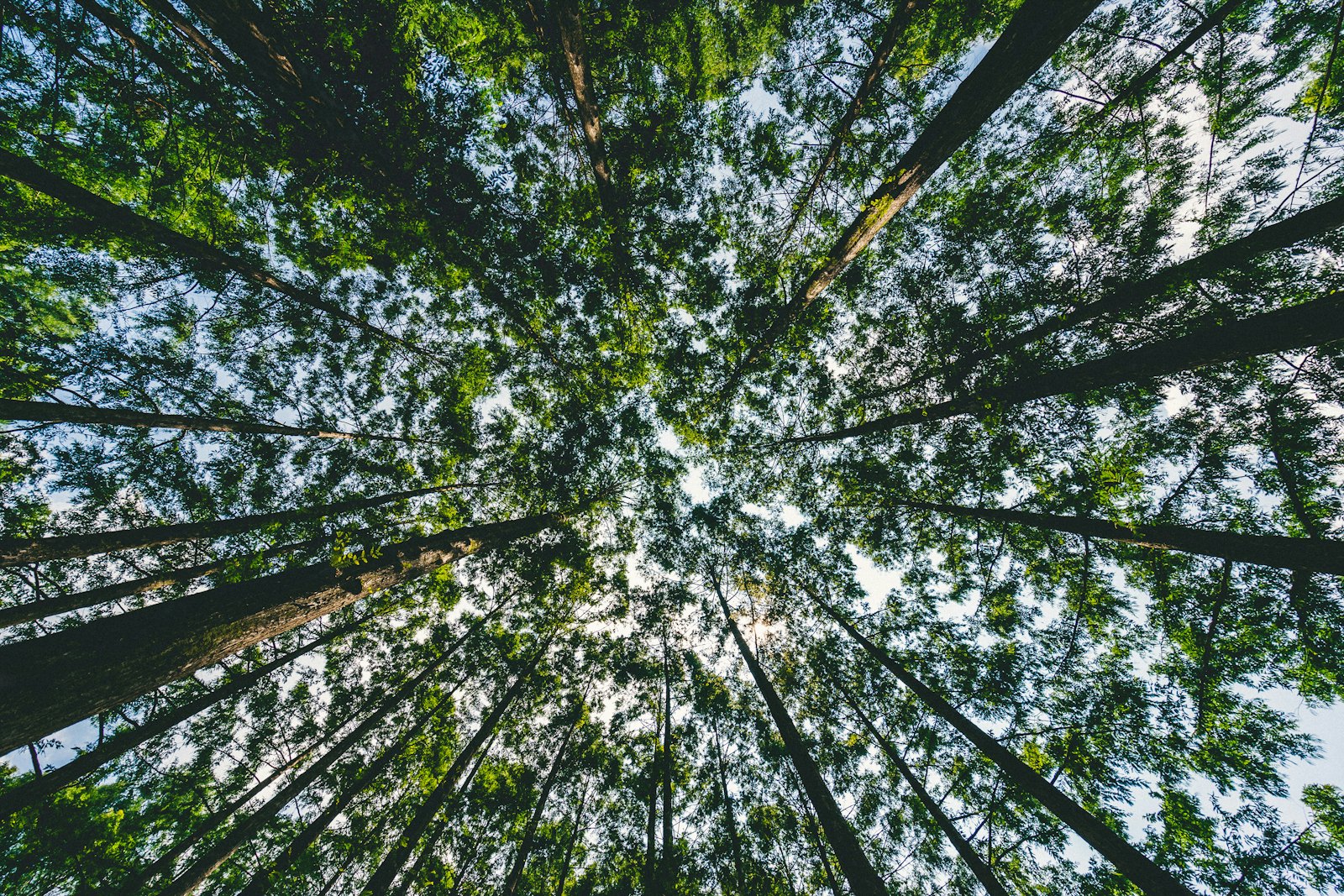
Crown cleaning
Removal of dead, dying, diseased, broken, and crossing branches. The base maintenance every mature tree should get every 3–5 years.
Crown thinning
Selective removal of live branches to reduce density. Improves light penetration and air movement; reduces wind-load risk.
Crown raising
Lifting the lower canopy for clearance over driveways, sidewalks, sightlines, or rooflines — without compromising the tree's natural form.
Crown reduction & shaping
Where a tree has outgrown its space, we reduce overall size with proper drop-crotch cuts. Never topping. Never flush cuts.
Hazard reduction
Identification and removal of branches that pose a clear and present risk: codominant leaders with included bark, deadwood over walkways, hangers from a recent storm.
Vista pruning
Surgical thinning to open a sightline (water view, neighboring landscape) while preserving the tree itself.
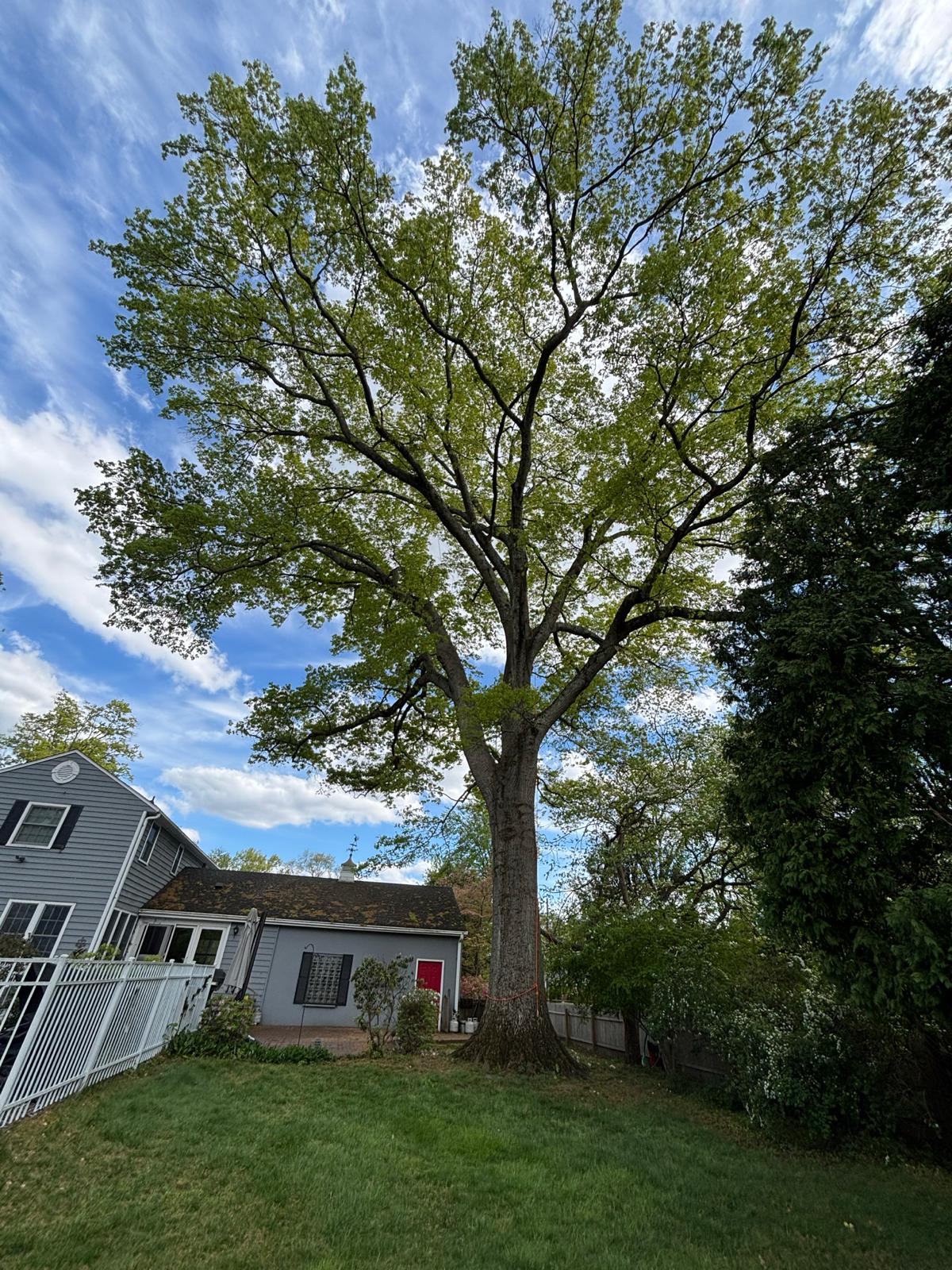
From the call to the cleanup, four steps.
Things people ask before booking.
When is the best time of year to prune?+
For most NJ deciduous trees, late winter (Feb–March) when the structure is visible and the tree is dormant. Some species (oaks, elms) we avoid pruning in late spring to prevent disease vectors. We'll schedule around what your tree needs.
How much should I take off my tree?+
For mature trees, no more than 25% of live foliage in any single year — and usually less. Aggressive pruning is a stress event for the tree; the goal is structural improvement, not size reduction for its own sake.
Why won't you 'top' my tree?+
Topping (cutting branches back to stubs) is the most common mistake homeowners ask for. It triggers a stress response of weak, fast-growing shoots that are more dangerous than what was there before. If you need height reduction, we do it with proper drop-crotch cuts back to lateral branches.
Will pruning kill my tree?+
Done correctly, no — done correctly, it extends the tree's life. Done incorrectly, yes. Half of our pruning calls are following up on bad work somebody else did; we're careful for a reason.
Do you prune fruit trees?+
Yes. Fruit-tree pruning is a different specialty than shade-tree work — we handle apple, pear, and stone fruit on residential properties. Best done in winter while dormant.
Same crew, related work.
Tree Removal
Hazardous, dead, or unwanted trees taken down with rigging, cranes, and zero damage to what surrounds them.
Stump Grinding
Stumps ground 6–12" below grade, with chip haul-away available on request.
Cabling & Bracing
Structural support for split leaders, weak unions, and heritage trees worth saving.
Tell us about the tree.
Give us a call or send an email with a few details and we'll reach out within one business day to schedule the on-site visit.
Call (908) 540-8822